


Hair Loss Treatment Aftercare: Essential Tips
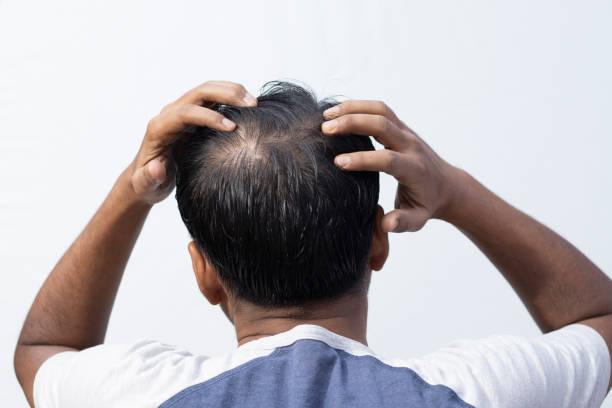
Aftercare is an important part of managing hair loss because the scalp and hair follicles may need time to respond to treatment. Whether you have received medication, PRP, laser therapy, or a hair transplant, following professional instructions can support the treatment process and help you understand what changes to expect. Hair Loss Treatment in Riyadh may involve different aftercare requirements depending on the procedure, so your specialist's recommendations should always take priority.
The period after treatment is also a good opportunity to establish healthy hair-care habits. Avoiding unnecessary scalp irritation, following treatment schedules, and attending recommended follow-up appointments can help you monitor progress. Since hair growth is gradual, patience is important, and results should be evaluated over time rather than immediately after treatment. Hair Loss Treatment in Riyadh is often a long-term process, making consistent aftercare an important part of maintaining healthy-looking hair.
Follow Your Specialist's Instructions
The most important aftercare step is following the instructions provided by your treatment specialist. Recommendations can differ depending on whether you have received topical medication, injections, laser therapy, or a surgical procedure.
Your provider understands the specific treatment performed and can explain how to care for your scalp during the recovery or treatment period.
-
Follow all written and verbal instructions.
-
Use recommended products as directed.
-
Take prescribed medication according to instructions.
-
Ask questions if any aftercare instruction is unclear.
-
Contact your provider if unexpected symptoms develop.
Keep Your Scalp Clean
Maintaining appropriate scalp hygiene can help keep the treatment area comfortable. However, the timing of hair washing can vary depending on the procedure. After some treatments, you may be able to wash your hair normally, while other procedures may require a temporary adjustment.
Always follow the washing instructions given by your provider rather than applying a general routine immediately after treatment.
-
Wash your hair only when advised.
-
Use gentle products when recommended.
-
Avoid aggressive scrubbing.
-
Pat the scalp dry instead of rubbing it forcefully.
-
Follow special instructions after procedures involving injections or transplantation.
Avoid Excessive Scalp Irritation
The scalp can sometimes feel sensitive after certain treatments. Scratching, rubbing, picking, or aggressively massaging the treated area may cause unnecessary irritation.
Give your scalp time to settle and avoid activities or products that your provider has specifically advised against.
-
Avoid scratching the treated area.
-
Do not pick at scabs or irritated areas.
-
Avoid aggressive scalp massage unless approved.
-
Keep fingernails away from sensitive areas.
-
Report persistent irritation to your specialist.
Be Gentle With Your Hair
Thinning hair can be more fragile, so gentle handling is important. Brushing, combing, or styling too aggressively can contribute to mechanical damage and breakage.
A simple hair-care routine can help reduce unnecessary stress on the hair shaft and scalp.
-
Use a gentle brushing technique.
-
Avoid pulling tightly on the hair.
-
Choose hairstyles that do not create excessive tension.
-
Avoid unnecessary heat styling.
-
Handle wet hair carefully.
Protect Your Scalp From Excessive Sun Exposure
After certain procedures, the treated scalp may be more sensitive to environmental exposure. Your specialist may recommend limiting direct sun exposure for a specific period, particularly after procedures that temporarily affect the skin.
Follow the protection instructions provided for your particular treatment.
-
Avoid unnecessary prolonged sun exposure.
-
Follow your provider's recommendations for scalp protection.
-
Wear appropriate head protection when advised.
-
Do not apply new products to a treated area without professional guidance.
Avoid Harsh Hair Products
Some shampoos, dyes, bleaching products, chemical straighteners, and styling products can irritate the scalp or damage fragile hair. Depending on your treatment, your specialist may recommend avoiding certain products temporarily.
Returning to your usual routine should be based on professional advice.
-
Choose gentle hair-care products when recommended.
-
Avoid products that cause burning or irritation.
-
Delay chemical treatments when instructed.
-
Avoid excessive use of styling products.
-
Stop using a product if it causes unexpected irritation and discuss it with your provider.
Follow Medication Instructions
If medication is part of your treatment plan, use it exactly as prescribed. Some treatments require regular application or continued use to maintain their benefits.
Do not increase, decrease, or discontinue a medication simply because you are not seeing immediate results. Hair growth takes time, and changes should be discussed with your specialist.
-
Follow the prescribed dosage or application instructions.
-
Maintain a consistent schedule.
-
Do not double doses after missing one unless instructed.
-
Report concerning side effects.
-
Discuss any planned medication changes with your healthcare provider.
Take Care After PRP Treatment
PRP involves injections into selected areas of the scalp, so your provider may recommend temporary precautions following the session. These may involve avoiding activities, products, or scalp manipulation for a period determined by your treatment team.
Because aftercare instructions can vary, follow the specific recommendations given after your PRP session.
-
Keep the treated area clean as instructed.
-
Avoid unnecessary touching or rubbing.
-
Follow activity restrictions if provided.
-
Use recommended scalp products.
-
Attend subsequent sessions when scheduled.
Follow Hair Transplant Aftercare Carefully
Hair transplant aftercare requires particular attention because newly transplanted follicles need time to settle. Your surgeon may provide detailed instructions about washing, sleeping position, physical activity, sun exposure, and handling the transplanted area.
Following these instructions carefully can help protect the treated area during the early recovery period.
-
Avoid touching or rubbing transplanted areas unnecessarily.
-
Follow your surgeon's washing instructions.
-
Sleep as recommended.
-
Avoid restricted physical activities.
-
Attend scheduled follow-up appointments.
Maintain a Healthy Hair-Care Routine
Good overall hair care can complement your treatment plan. A balanced diet, gentle hair handling, and avoiding unnecessary chemical or heat damage can help support general hair health.
However, lifestyle measures should not replace professional treatment when an underlying medical cause of hair loss is present.
-
Eat a balanced diet.
-
Avoid unnecessary hair damage.
-
Keep your scalp clean.
-
Manage excessive styling or chemical treatments.
-
Follow your specialist's long-term recommendations.
Be Patient With Hair Growth
One of the most important aftercare tips is to give your treatment enough time to work. Hair growth is naturally slow, and many treatments require several months before noticeable improvement occurs.
Daily changes can be difficult to recognize, so comparing photographs taken at regular intervals can provide a clearer picture of progress.
-
Expect gradual changes.
-
Avoid judging results too quickly.
-
Take progress photographs when recommended.
-
Attend follow-up appointments.
-
Give your treatment enough time to be properly evaluated.
Know When to Contact Your Specialist
Mild temporary changes may occur after certain hair treatments, but you should know which symptoms require professional attention. Contact your treatment provider if you experience unexpected, severe, persistent, or worsening symptoms.
Your specialist can determine whether the change is part of the expected treatment process or requires further evaluation.
-
Report unusual or worsening symptoms.
-
Ask about persistent pain or irritation.
-
Contact your provider about unexpected reactions.
-
Do not self-treat significant complications.
-
Follow emergency medical advice when necessary.
Keep Your Follow-Up Appointments
Follow-up appointments allow your specialist to evaluate your progress and determine whether your treatment plan is working as expected. They can also help identify whether additional sessions, medication adjustments, or maintenance treatment may be appropriate.
Regular monitoring is particularly useful because hair changes occur gradually.
-
Track changes in hair density.
-
Discuss new shedding or thinning.
-
Review treatment response.
-
Follow recommended maintenance schedules.
-
Keep your specialist informed about changes.
Book a Hair Loss Consultation
Proper aftercare can help you get the most from your hair treatment journey while supporting healthy scalp and hair care habits. Royal Clinic Saudia can provide personalized guidance based on the treatment you receive and your individual hair concerns. If you are considering Hair Loss Treatment in Riyadh, professional advice can help you understand the appropriate aftercare steps and long-term maintenance requirements.
FAQs:
How should I care for my hair after hair loss treatment?
Follow your specialist's instructions, keep your scalp clean as advised, avoid unnecessary irritation, handle your hair gently, and continue any prescribed treatment according to the recommended schedule.
Can I wash my hair immediately after hair loss treatment?
It depends on the treatment you received. Some treatments allow normal washing, while others require you to wait. Follow the specific instructions provided by your treatment specialist.
Should I avoid styling products after hair loss treatment?
You may need to temporarily avoid certain products, particularly if the scalp is sensitive or has recently undergone a procedure. Ask your provider when it is appropriate to resume your normal styling routine.
When should I contact my hair specialist after treatment?
Contact your provider if you experience severe, persistent, unexpected, or worsening symptoms. Your specialist can determine whether the symptoms require further evaluation or treatment.
 English
 Arabic
 French
 Spanish
 Portuguese
 Deutsch
 Turkish
 Dutch
Dutch
 Italiano
 Russian
 Romaian
 Portuguese (Brazil)
 Greek
Greek