

What Should You Avoid After PRP Hair Treatment?
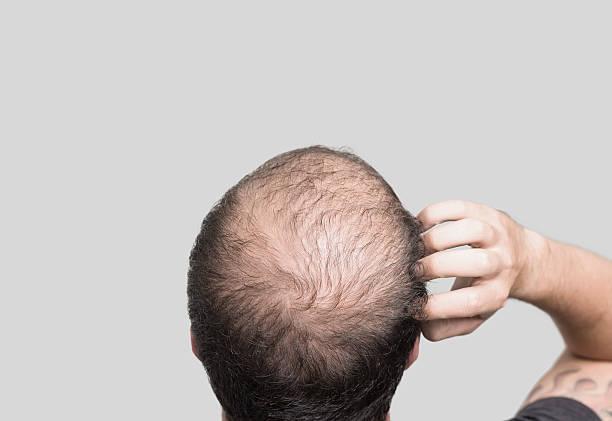
PRP hair treatment is a minimally invasive approach that uses platelet-rich plasma prepared from your own blood and injected into areas of the scalp affected by thinning. If you are considering PRP Hair Treatment in Riyadh, understanding what to avoid after the session can help keep the scalp comfortable and support the healing process. Although recovery is generally straightforward, the first few days are important for protecting the tiny injection sites.
After treatment, your scalp may experience temporary tenderness, mild redness, swelling, or a tight sensation. These effects commonly settle within a short period, but unnecessary irritation can make recovery less comfortable. Patients undergoing PRP Hair Treatment in Riyadh should follow the personalized aftercare instructions provided by their practitioner because recommendations can differ depending on the treatment technique, scalp condition, and overall health.
Avoid Washing Your Hair Too Soon
Wait Before Your First Hair Wash
One of the most common recommendations is to avoid washing the scalp for approximately 24 hours after treatment. Some clinics may recommend waiting longer, particularly when the scalp remains sensitive. Giving the injection sites time to settle can reduce unnecessary irritation.
When you are cleared to wash your hair, use lukewarm water and a mild cleanser. Avoid directing very strong water pressure onto the scalp, and gently clean with your fingertips rather than scratching with your nails. Pat the hair and scalp dry instead of rubbing aggressively.
Avoid Intense Exercise and Heavy Sweating
Give Your Scalp a Short Break
Strenuous exercise can produce significant sweating and heat, which may irritate recently treated injection sites. For this reason, many aftercare protocols recommend avoiding intense workouts for about 24 to 48 hours. Light walking may be acceptable if you feel comfortable, but your provider's instructions should take priority.
During the first couple of days, it is also sensible to postpone activities that cause heavy sweating, including high-intensity gym sessions, running, and other demanding workouts. This temporary pause allows the scalp to settle before you return to your normal routine.
Avoid Touching, Scratching, or Massaging the Scalp
Keep Your Hands Away From Treated Areas
Mild itching or tenderness can tempt you to touch the scalp, but repeated rubbing, scratching, or aggressive massage can irritate the injection points. Keep the treated area as undisturbed as possible during the initial recovery period.
Avoid pressing hard when brushing your hair as well. Gentle handling is especially useful if the scalp feels tender or swollen following the injections.
Avoid Heat, Saunas, and Steam
Limit Excessive Heat
Saunas, steam rooms, hot tubs, and very hot showers are generally best avoided immediately after PRP hair treatment. Excessive heat may increase discomfort and irritation while the scalp is still sensitive.
When showering becomes appropriate, choose comfortably warm rather than very hot water. If your practitioner gives a specific period for avoiding heat exposure, follow that recommendation.
Avoid Harsh Hair Products
Be Careful With Styling Products
For the first day or two, avoid applying unnecessary products directly to the scalp, particularly products that contain strong fragrances, alcohol, or potentially irritating ingredients. Hair sprays, gels, heavy oils, and similar styling products may irritate sensitive skin or encourage excessive touching.
Once your provider says you can resume your normal routine, gradually return to your usual products. If a particular product causes burning, itching, or persistent irritation, stop using it and ask your healthcare professional for advice.
Avoid Hair Coloring and Chemical Treatments
Postpone Aggressive Hair Procedures
Hair dyeing, bleaching, perming, relaxing, and other chemical treatments can irritate the scalp. It is generally advisable to postpone these procedures until the scalp has recovered. Depending on the protocol, providers may recommend waiting several days or around a week before resuming chemical treatments.
This precaution is particularly relevant if you already have scalp sensitivity, redness, or tenderness. Your practitioner can tell you when it is appropriate to return to coloring or other chemical services.
Avoid Swimming and Public Water Facilities
Reduce Irritation and Infection Concerns
Swimming pools, hot tubs, and similar environments are commonly avoided during the first 24 to 48 hours after scalp injections. Chlorinated or untreated water may irritate recently treated skin, while public water environments can introduce unwanted bacteria to tiny injection sites.
Wait until your provider confirms that swimming is appropriate, particularly if you have visible redness, tenderness, or small injection marks.
Be Careful With Medications
Ask Before Taking Certain Pain Relievers
If your scalp feels sore after treatment, do not automatically start or stop medications without professional advice. Some PRP protocols recommend avoiding nonsteroidal anti-inflammatory drugs such as ibuprofen or aspirin around treatment because of their effects on platelet function, but this advice is not appropriate for everyone. If you take aspirin or another prescribed blood-thinning medicine for a medical condition, do not discontinue it unless the clinician managing your medication specifically tells you to do so.
If pain relief is needed, ask your provider which option is appropriate for you rather than self-medicating.
Avoid Direct Sun Exposure and Excessive Heat
Protect a Sensitive Scalp
Direct sunlight can be uncomfortable when the scalp is tender after injections. Try to limit strong sun exposure during the initial recovery period and follow your provider's recommendations for scalp protection.
A loose, comfortable head covering may be appropriate once your practitioner confirms that it will not rub against the treated areas. Avoid anything tight that creates pressure or friction on the scalp.
What Should You Do After PRP Instead?
Aftercare is not only about avoiding certain activities. Keep the scalp clean according to your provider's instructions, stay hydrated, eat a balanced diet, and handle your hair gently. Continue any prescribed or recommended hair-loss treatment exactly as directed, because PRP is often incorporated into a broader hair-management plan rather than used as a standalone solution.
Mild soreness, redness, or swelling can occur after scalp injections. However, worsening redness, increasing pain, significant swelling, pus, fever, or other unusual symptoms should be discussed promptly with your healthcare provider. Sudden or extensive hair loss also warrants professional evaluation.
Support Your PRP Hair Treatment Journey
If you are considering PRP Hair Treatment in Riyadh, following appropriate aftercare can make the recovery period more comfortable and help protect the treated scalp. Because every patient's hair loss pattern and scalp condition are different, a personalized treatment plan and professional follow-up remain important.
Book an Appointment at Royal Clinic Saudia
If you are interested in PRP hair treatment, Royal Clinic Saudia can assess your scalp and discuss whether PRP may be suitable for your hair concerns. Book an appointment to receive individualized treatment and aftercare guidance based on your needs.
FAQs:
How long should I wait before washing my hair after PRP?
Many providers recommend waiting approximately 24 hours before washing the hair, although some protocols recommend longer. Follow the specific instructions given by your treating professional. When washing is permitted, use lukewarm water and a gentle shampoo without vigorous scrubbing.
Can I exercise after PRP hair treatment?
It is generally recommended to avoid strenuous exercise and heavy sweating for about 24 to 48 hours. Light activity may be acceptable, depending on your recovery and your provider's instructions.
Can I use hair products after PRP?
It is usually best to avoid unnecessary styling products on the scalp during the initial recovery period. Once your provider gives you permission, you can gradually return to your usual hair-care routine.
When should I contact a doctor after PRP?
Contact your healthcare provider if you develop worsening pain, spreading redness, significant swelling, pus, fever, or other symptoms that seem unusual. Your provider can determine whether further assessment is necessary.
 Turkish
 English
 Arabic
 French
 Spanish
 Portuguese
 Deutsch
 Dutch
Dutch
 Italiano
 Russian
 Romaian
 Portuguese (Brazil)
 Greek
Greek