


Herbal Shampoo: Nature’s Answer to Healthier, Stronger, More Balanced Hair
Introduction
Hair care is no longer limited to quick cleansing or cosmetic shine. Today, people are becoming more aware of what they apply to their scalp and how it affects long-term hair health. This shift has brought natural solutions back into focus, especially herbal shampoo, which is widely appreciated for its gentle yet effective cleansing approach.
Unlike heavily chemical-based products, herbal shampoos are inspired by plants, roots, oils, and botanical extracts traditionally used in natural wellness systems. They are designed to clean the scalp while maintaining its natural balance, making them a preferred choice for people who want healthier-looking hair without harsh side effects.
In a world full of pollution, stress, and styling damage, herbal solutions are becoming more than a trend—they are a return to simplicity.
What Is Herbal Shampoo?
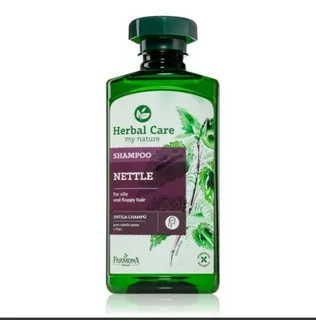
A herbal shampoo is a hair cleansing product made primarily from plant-based ingredients such as herbs, flowers, essential oils, and natural extracts. Instead of relying heavily on synthetic detergents, it uses gentle cleansing agents derived from nature.
Common herbal ingredients include:
-
Aloe vera
-
Amla (Indian gooseberry)
-
Neem
-
Reetha (soapnut)
-
Shikakai
-
Tea tree oil
-
Rosemary extract
-
Hibiscus
These ingredients have been used for centuries in traditional hair care practices due to their nourishing and cleansing properties.
Why Herbal Shampoo Is Becoming So Popular
Modern hair problems are often caused by environmental stress, chemical exposure, and heat styling. People are now looking for gentler alternatives that support long-term hair health instead of short-term cosmetic results.
Herbal shampoo is gaining popularity because it offers:
-
Mild and natural cleansing
-
Reduced chemical exposure
-
Scalp-friendly formulations
-
Nourishment from botanical ingredients
-
Suitable care for sensitive skin types
It represents a more thoughtful approach to personal care.
Benefits of Using Herbal Shampoo
Gentle on the Scalp
One of the biggest advantages of herbal shampoo is its softness. It cleans without stripping away natural oils, helping maintain scalp comfort.
Supports Healthy Hair Growth
Ingredients like amla, rosemary, and aloe vera are known to improve scalp condition, which is important for healthy hair growth over time.
Reduces Hair Damage
Harsh shampoos can weaken hair strands. Herbal alternatives help reduce breakage and dryness by nourishing hair naturally.
Helps Manage Dandruff
Neem, tea tree oil, and shikakai are commonly used in herbal formulas for their cleansing and scalp-purifying properties.
Adds Natural Shine
Instead of artificial gloss, herbal shampoo enhances natural shine by improving overall hair texture.
Key Ingredients Found in Herbal Shampoo
The effectiveness of a herbal shampoo depends on its ingredients. Each plant or extract contributes something unique.
Amla
Rich in vitamin C, amla helps strengthen hair roots and supports natural shine.
Shikakai
Traditionally used as a natural cleanser, shikakai gently removes dirt without harming the scalp.
Reetha (Soapnut)
Produces natural foam and helps cleanse hair effectively without harsh chemicals.
Aloe Vera
Provides hydration and soothes irritation, making it ideal for sensitive scalps.
Neem
Known for its antibacterial properties, neem supports a clean and balanced scalp environment.
Hibiscus
Helps improve hair texture and supports softness and volume.
Herbal Shampoo vs Chemical Shampoo
The main difference lies in best hair oil for hairfall formulation and long-term impact.
Chemical shampoos often:
-
Produce strong foam
-
Remove oil quickly
-
May cause dryness with frequent use
Herbal shampoos typically:
-
Clean gently
-
Preserve natural oils
-
Focus on long-term scalp health
-
Reduce irritation risk
While both serve the purpose of cleansing, herbal options focus more on nourishment and balance.
Who Should Use Herbal Shampoo?
Herbal shampoo is suitable for a wide range of users, especially:
-
People with sensitive scalp
-
Individuals experiencing dryness or irritation
-
Those dealing with mild dandruff
-
Users seeking natural hair care routines
-
Anyone reducing chemical exposure in personal care
However, results vary depending on hair type and consistency of use.
How to Use Herbal Shampoo Effectively
To get the best results, proper usage matters:
-
Wet hair thoroughly before application
-
Use a small amount and massage gently into the scalp
-
Allow natural ingredients to work for a short time
-
Rinse thoroughly with lukewarm water
-
Follow with a natural conditioner or oil if needed
Consistency is key when switching to herbal care, as results often improve over time.
Conclusion
Herbal shampoo represents a return to natural, balanced, and mindful hair care. Instead of relying on harsh chemicals, it uses the power of plants and traditional ingredients to support healthier-looking hair and a more comfortable scalp experience.
In today’s fast-paced lifestyle, where hair is constantly exposed to pollution, styling, and stress, herbal solutions offer a refreshing alternative rooted in simplicity and nature.
 English
 Arabic
 French
 Spanish
 Portuguese
 Deutsch
 Turkish
 Dutch
Dutch
 Italiano
 Russian
 Romaian
 Portuguese (Brazil)
 Greek
Greek