


How Vaginal Reconstruction Surgery Restores Confidence and Comfort
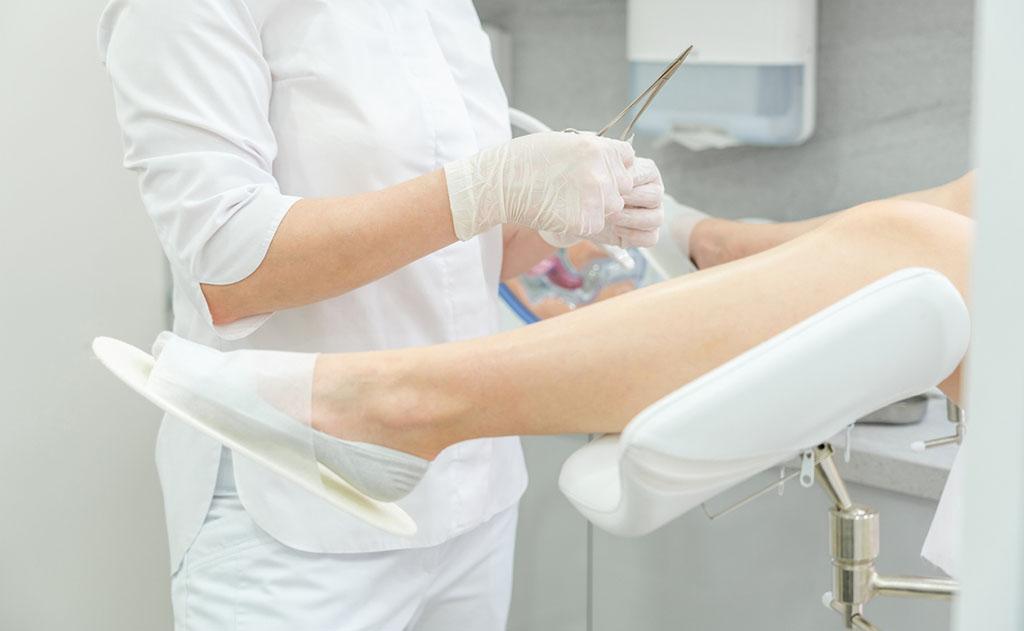
The journey toward improved physical and emotional well-being often leads many women to consider Vaginal Reconstruction Surgery as a restorative option that addresses both functional concerns and self-confidence challenges. Beyond its physical benefits, this type of procedure can play a meaningful role in helping women regain comfort in daily life and a renewed sense of self-assurance. Whether changes are due to childbirth, aging, trauma, or medical conditions, the impact on confidence and comfort can be significant. Understanding how restoration occurs on both physical and psychological levels is key to appreciating the full value of modern reconstructive care.
Restoring Physical Comfort and Daily Function:
One of the most immediate benefits of reconstructive procedures is the improvement in physical comfort and day-to-day functionality. When structural support is compromised, women may experience discomfort that affects routine activities, mobility, and overall quality of life.
Key improvements in physical comfort include:
- Reduction in pelvic pressure or discomfort during movement
- Improved support of vaginal and surrounding tissues
- Enhanced comfort during sitting, walking, and exercise
- Better control of urinary or pelvic-related symptoms in some cases
- Decreased irritation caused by tissue laxity or damage
By addressing structural concerns, surgery helps restore a sense of normal physical function, allowing women to engage more comfortably in daily activities without constant awareness of discomfort or limitations.
Improving Intimate Well-Being and Sensation:
Intimate health is closely linked to overall well-being, and structural or tissue-related issues can sometimes affect comfort during intimacy. Restorative procedures aim to improve both physical sensation and emotional ease in this aspect of life.
Common improvements include:
- Enhanced tissue tone and elasticity
- Increased comfort during intimate activity
- Improved sensitivity due to restored structure
- Reduced discomfort or pain during intimacy in some cases
- Greater confidence in intimate relationships
These changes often contribute to a more positive and fulfilling personal experience. When physical discomfort is reduced, emotional relaxation and connection may also improve, supporting healthier relationships and self-esteem.
Psychological Impact and Emotional Healing:
The emotional effects of physical changes in the body can be significant, influencing self-image, confidence, and mental well-being. Restorative procedures often provide psychological relief by addressing long-standing concerns that may have affected emotional health.
Positive emotional outcomes include:
- Improved body image and self-perception
- Reduced anxiety related to physical appearance or function
- Increased self-confidence in social and personal settings
- Emotional relief after long-standing discomfort is resolved
- Greater sense of control over one’s body and health
For many women, emotional healing is just as important as physical improvement. Feeling comfortable in one’s body can positively influence relationships, daily interactions, and overall mental health.
The Role of Pelvic Support in Confidence:
Pelvic support plays a central role in both physical stability and emotional confidence. When this support weakens, it can lead to discomfort and self-consciousness, which may affect daily life and self-esteem.
Ways improved pelvic support enhances confidence:
- Better posture and physical stability
- Reduced worry about physical discomfort during movement
- Increased confidence in physical activity and exercise
- Improved sense of bodily control and strength
- Enhanced overall sense of wellness and vitality
Restoring structural support helps create a foundation for both physical ease and emotional confidence, allowing women to feel more secure in their bodies during daily life.
Recovery Journey and Confidence Building:
The recovery process itself plays an important role in rebuilding confidence. As the body heals and improvements become noticeable, many women experience gradual emotional and psychological uplift.
Key aspects of recovery that support confidence include:
- Progressive improvement in physical comfort over time
- Visible and functional positive changes during healing
- Support from healthcare providers during follow-up care
- Encouragement from family and personal support systems
- Gradual return to normal activities and routines
Recovery is not just a physical phase but also a time of emotional adjustment. As healing progresses, many women report increased self-assurance and satisfaction with their decision to pursue treatment.
Long-Term Quality of Life Improvements:
Long-term outcomes of reconstructive procedures often extend beyond physical restoration, influencing overall lifestyle, comfort, and emotional well-being. Many women experience sustained improvements that enhance their daily quality of life.
Long-term benefits include:
- Greater ease in physical activities and movement
- Improved comfort in personal and professional life
- Enhanced emotional stability and confidence
- Reduced long-term discomfort or functional limitations
- Overall improvement in life satisfaction and well-being
These lasting changes contribute to a more active, confident, and comfortable lifestyle. The positive effects often extend into many areas of personal health and emotional balance.
Support Systems and Holistic Healing:
A strong support system plays a crucial role in the healing and confidence-building process. Emotional, social, and medical support all contribute to better recovery outcomes and improved psychological well-being.
Important support elements include:
- Open communication with healthcare providers
- Emotional support from family and friends
- Access to counseling or therapy if needed
- Participation in supportive communities or groups
- Clear understanding of recovery expectations
Holistic healing focuses on both body and mind, ensuring that recovery is comprehensive and sustainable. Emotional reassurance and understanding often enhance physical healing outcomes as well.
Final Thoughts:
Restoring confidence and comfort through modern reconstructive procedures involves both physical repair and emotional renewal. When structural concerns are addressed, many women experience meaningful improvements in daily life, self-esteem, and overall well-being.
With proper medical care, emotional support, and realistic expectations, the journey toward recovery becomes a transformative experience. The combination of physical restoration and psychological healing helps create a stronger sense of confidence, comfort, and long-term quality of life.
 Portuguese (Brazil)
 English
 Arabic
 French
 Spanish
 Portuguese
 Deutsch
 Turkish
 Dutch
Dutch
 Italiano
 Russian
 Romaian
 Greek
Greek