


Does a Hemoglobin Electrophoresis Test Require a Blood Sample?
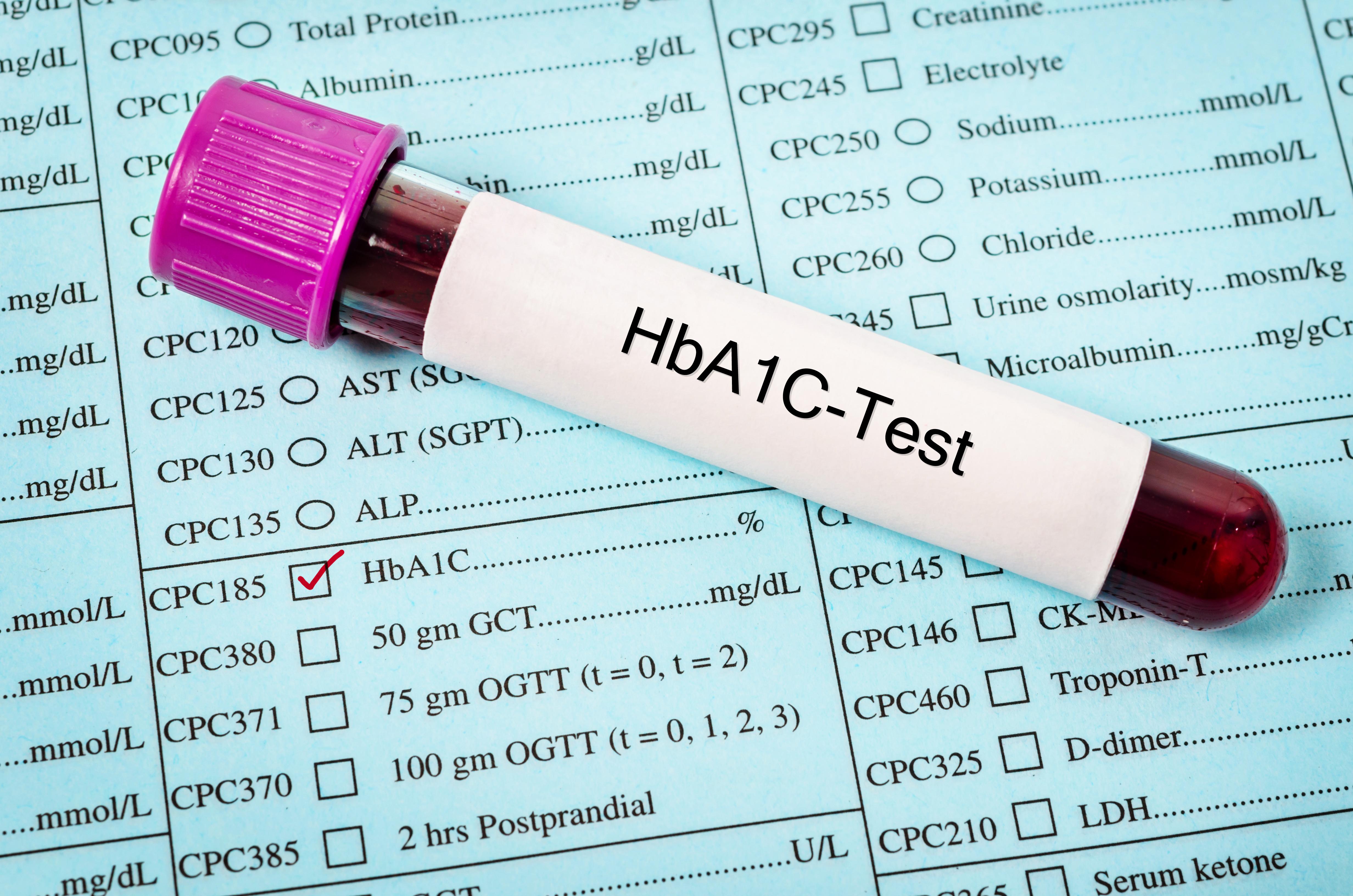
When a doctor recommends a hemoglobin electrophoresis test, one of the first questions you may have is whether the procedure requires a blood sample. You might also wonder how much blood is needed, where it is collected from, whether the test is painful, and what happens to the sample after it reaches the laboratory.
The answer is yes. A Hemoglobin Electrophoresis Test in Dubai requires a blood sample, usually collected from a vein in your arm. The sample is then examined using specialized laboratory techniques to identify different types of hemoglobin and measure their proportions.
This diagnostic test plays an important role in detecting inherited blood disorders, including sickle cell disease, thalassemia, and other abnormal hemoglobin conditions.
Although the laboratory analysis involves specialized equipment, the sample collection process is generally simple, quick, and similar to a routine blood test.
In this guide, we explain why blood is needed, how the sample is collected, how much blood is required, and what happens during laboratory analysis.
Why Is a Blood Sample Necessary for Hemoglobin Electrophoresis?
To understand why this test requires blood, it is important to know what hemoglobin is and where it is found.
Hemoglobin is an iron-containing protein inside red blood cells. Its primary function is to carry oxygen from the lungs to different tissues and organs.
Healthy adults generally have a combination of hemoglobin types, including:
-
Hemoglobin A (HbA): The main type of adult hemoglobin.
-
Hemoglobin A2 (HbA2): A smaller adult hemoglobin fraction.
-
Hemoglobin F (HbF): Fetal hemoglobin, which is naturally higher in newborns.
-
Hemoglobin S (HbS): An abnormal variant associated with sickle cell conditions.
-
Hemoglobin C (HbC): Another variant associated with inherited hemoglobin disorders.
A blood sample allows laboratory specialists to examine these proteins directly.
During hemoglobin electrophoresis, the hemoglobin proteins are separated according to their electrical properties. This helps identify abnormal variants and evaluate the relative amounts of different hemoglobin types.
Without a suitable blood specimen, the laboratory cannot perform this standard diagnostic analysis.
What Type of Blood Sample Is Collected for the Test?
Hemoglobin electrophoresis is usually performed using venous blood, meaning blood collected from a vein.
The most common collection site is the inner part of the elbow because veins in this area are generally easy to access.
A healthcare professional typically uses a sterile needle and an appropriate blood collection tube, often containing an anticoagulant to prevent clotting.
The collected sample contains red blood cells, which provide the hemoglobin needed for laboratory examination.
In certain settings, other specimen types or collection methods may be used according to the testing method and clinical purpose. However, venous blood is the standard specimen for routine hemoglobin electrophoresis in many laboratories.
How Is the Blood Sample Collected? Understanding the Procedure?
The blood collection process is straightforward and usually takes only a few minutes.
Here is what happens during your appointment.
Step 1: Patient Identification and Preparation
The laboratory professional first confirms your identity and checks the doctor's test request.
You may be asked about your medical history, current medications, and any recent blood transfusions.
This information is important because certain medical treatments and transfusions can influence the interpretation of hemoglobin electrophoresis results.
Step 2: Selecting a Suitable Vein
The healthcare professional identifies an appropriate vein, usually in your arm.
A tourniquet may be placed around your upper arm to make the vein more visible and easier to access.
The selected area is then cleaned with an antiseptic solution to reduce the risk of infection.
Step 3: Collecting the Blood
A sterile needle is gently inserted into the vein, and a small amount of blood is collected into the appropriate laboratory tube.
You may feel a brief pinching sensation during needle insertion.
Once sufficient blood has been collected, the needle is removed and gentle pressure is applied to the puncture site.
Step 4: Labeling and Transporting the Sample
The sample is labeled with the necessary identification information and sent to the laboratory for analysis.
Proper labeling and sample handling help ensure accurate results and prevent identification errors.
Step 5: Preparing the Sample for Hemoglobin Analysis
Inside the laboratory, the red blood cells are processed to release their hemoglobin proteins.
The prepared material is then analyzed using an appropriate hemoglobin separation technique.
The laboratory may use agarose gel electrophoresis, capillary electrophoresis, or complementary methods such as high-performance liquid chromatography (HPLC).
These techniques help identify different hemoglobin fractions and determine their relative proportions.
How Much Blood Is Needed for Hemoglobin Electrophoresis?
Another common concern is the amount of blood required.
Generally, only a small blood sample is needed for hemoglobin electrophoresis. The exact volume depends on the laboratory's collection tube, testing equipment, and whether additional investigations are ordered.
Unlike blood donation, this procedure does not involve collecting a large quantity of blood.
The laboratory will provide the appropriate collection tube and determine the required volume.
If hemoglobin electrophoresis is ordered alongside a complete blood count (CBC), iron studies, or other investigations, additional blood may be needed.
However, the laboratory may be able to perform multiple tests using specimens collected during the same appointment.
Is the Blood Collection Process Painful?
Most people tolerate blood collection very well.
The procedure usually causes only mild and temporary discomfort.
You may experience:
-
A brief pinching sensation when the needle enters your vein.
-
Slight tenderness around the collection site.
-
Minor bruising after the procedure.
-
Occasional dizziness or lightheadedness.
These effects generally resolve without special treatment.
If you have a history of fainting during blood tests, inform the phlebotomist before the procedure. They can help make the collection process more comfortable.
Can Hemoglobin Electrophoresis Be Performed Without Drawing Blood?
Standard hemoglobin electrophoresis requires a suitable specimen containing hemoglobin proteins, most commonly venous blood.
It cannot be performed using a urine sample, saliva sample, or ordinary skin swab.
However, other diagnostic approaches may be available for specific clinical situations.
For example, molecular genetic testing can identify changes in genes responsible for hemoglobin production. Depending on the test, genetic analysis may use a blood sample or another suitable specimen, such as saliva or a cheek swab.
It is important to understand that genetic testing and hemoglobin electrophoresis are different investigations.
Hemoglobin electrophoresis examines the types and proportions of hemoglobin proteins, while genetic testing examines the underlying DNA changes.
Your healthcare provider can recommend the most appropriate method based on your symptoms, family history, and previous laboratory findings.
What Happens to Your Blood Sample After Collection?
Once your sample reaches the laboratory, several steps take place before the final report is prepared.
Sample Processing
The laboratory checks the specimen and prepares it for analysis.
Red blood cells are processed to release the hemoglobin proteins contained inside them.
Hemoglobin Separation
A specialized laboratory technique separates different hemoglobin types according to their physical and electrical characteristics.
Commonly identified fractions include HbA, HbA2, HbF, HbS, and HbC.
Measurement and Interpretation
The laboratory evaluates the detected hemoglobin fractions and measures their relative percentages when appropriate.
The findings may help identify patterns associated with inherited conditions.
Report Preparation
The final laboratory report generally includes the detected hemoglobin types, their percentages, and an interpretive comment.
Your doctor reviews the results alongside your medical history and other blood investigations.
Which Medical Conditions Can Be Identified Through Hemoglobin Electrophoresis?
The main purpose of this test is to detect abnormal hemoglobin patterns that may indicate inherited blood disorders.
Sickle Cell Disease and Sickle Cell Trait
The test can identify hemoglobin S and help distinguish characteristic patterns associated with sickle cell disease and sickle cell trait.
These conditions have different genetic patterns and clinical implications.
Beta Thalassemia
An increased HbA2 level may suggest beta thalassemia trait.
The results are usually interpreted alongside red blood cell measurements and iron studies.
Alpha Thalassemia
Some forms of alpha thalassemia may not produce clearly abnormal findings on routine hemoglobin electrophoresis.
Additional genetic testing may be needed when clinical suspicion remains.
Hemoglobin C and Other Variants
The test can also identify hemoglobin C and several other hemoglobin variants.
Their medical significance depends on the specific variant and whether other abnormal hemoglobin genes are present.
Do You Need to Fast Before Providing a Blood Sample?
In most cases, fasting is not required before hemoglobin electrophoresis.
You can generally eat regular meals and drink water before your appointment.
However, if your doctor has ordered other investigations that require fasting, you may need to follow separate preparation instructions.
Also, inform your healthcare provider about recent blood transfusions because donor red blood cells can affect the hemoglobin pattern.
How Long Does It Take to Receive the Test Results?
The time required to receive hemoglobin electrophoresis results varies between laboratories.
Many facilities provide reports within a few working days, although the turnaround time may be longer if the sample is transported to another laboratory or additional testing is necessary.
Your report may include the percentages of different hemoglobin fractions and an interpretation of the identified pattern.
If the results are abnormal, your doctor may recommend further investigations, such as a complete blood count, ferritin measurement, or genetic testing.
Frequently Asked Questions About Blood Samples for Hemoglobin Electrophoresis:
Is Hemoglobin Electrophoresis Done Through a Blood Test?
Yes. It is generally performed using a blood sample collected from a vein in the arm.
Does the Test Require a Large Blood Sample?
No. A relatively small amount of blood is usually sufficient. The exact volume depends on the laboratory's requirements.
Can a Finger-Prick Blood Sample Be Used?
Routine hemoglobin electrophoresis generally uses venous blood collected in an appropriate laboratory tube. Some specialized screening methods may use capillary blood, but specimen requirements depend on the specific method.
Can Children Have a Hemoglobin Electrophoresis Blood Test?
Yes. The test can be performed in newborns, children, and adults. However, age-specific reference ranges are important because fetal hemoglobin levels are naturally higher in newborns.
Is Hemoglobin Electrophoresis the Same as a Complete Blood Count?
No. A CBC measures blood components such as red blood cells, white blood cells, and hemoglobin concentration. Hemoglobin electrophoresis identifies different types of hemoglobin proteins.
Can the Test Detect Sickle Cell Trait?
Yes. It can identify hemoglobin S and help distinguish sickle cell trait from several forms of sickle cell disease.
Final Verdict: A Small Blood Sample Provides Important Diagnostic Information
A hemoglobin electrophoresis Lab tests does require a blood sample, usually collected from a vein in your arm. Fortunately, the procedure is simple, quick, and generally well tolerated.
The collected blood allows laboratory specialists to examine different hemoglobin types, measure their proportions, and identify abnormal patterns associated with inherited blood disorders.
Whether your doctor is investigating unexplained anemia, screening for thalassemia, or checking for sickle cell disease, this test can provide valuable information about your blood health.
Before your appointment, follow the laboratory's collection instructions and share details about recent blood transfusions and relevant medical conditions. After receiving your report, discuss the findings with a qualified healthcare professional to understand whether additional testing or follow-up care is necessary.
 Dutch
 English
 Arabic
 French
 Spanish
 Portuguese
 Deutsch
 Turkish
 Italiano
 Russian
 Romaian
 Portuguese (Brazil)
 Greek