


Q-switched Laser Treatment for Facial Rejuvenation and Skin Clarity
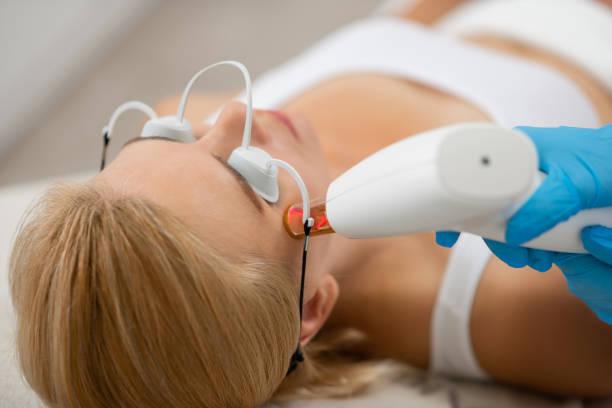
Maintaining a clear, even-looking complexion is an important part of many skincare routines. However, factors such as sun exposure, pigmentation, acne marks, and natural aging can gradually affect the appearance of facial skin. These concerns may lead to dark spots, uneven tone, and a dull-looking complexion. Q-switched laser technology is a professional treatment option that primarily targets selected pigmentation concerns using short pulses of concentrated light energy. For individuals considering q switch laser treatment, understanding its role in facial rejuvenation, potential benefits, and limitations can help establish realistic expectations.
Understanding Facial Skin Changes
Facial skin is regularly exposed to sunlight, environmental pollutants, and other external factors. Over time, these influences may contribute to visible changes in pigmentation and skin appearance.
Some common concerns include:
-
Dark spots: Localized areas of increased pigmentation may develop after sun exposure or inflammation.
-
Uneven skin tone: Different areas of the face may develop varying levels of discoloration.
-
Post-acne marks: Previous breakouts can leave brown or dark marks after the inflammation settles.
-
Freckles: Small pigmented spots may become more noticeable with sunlight exposure.
-
Dull appearance: Dryness, accumulated dead skin cells, and uneven pigmentation can make the complexion look less radiant.
Identifying the cause of each concern is important because not all facial skin changes respond to the same treatment.
How Q-Switched Laser Treatment Works
Q-switched lasers produce very short pulses of concentrated light energy. Certain wavelengths are absorbed by melanin, the natural pigment responsible for the color of dark spots.
The laser energy may fragment targeted pigment particles through a photoacoustic effect. The body gradually processes these smaller particles, which can reduce the visibility of selected pigmented areas.
Targeting Pigment Without Surgery
The practitioner selects the wavelength and energy settings according to the type of pigmentation, its depth, and the patient's skin characteristics. The procedure is performed without surgical incisions and is primarily intended to address selected pigment-related concerns.
It is important to understand that Q-switched laser treatment is not a universal facial resurfacing procedure. Its main purpose is pigment targeting rather than correcting every sign of aging or structural skin damage.
Potential Benefits for Facial Rejuvenation
When used for appropriate pigmentation concerns, Q-switched laser technology may contribute to a clearer and more balanced-looking complexion.
Reducing the Appearance of Dark Spots
Selected sun spots, freckles, and other benign pigmented marks may become lighter after treatment. This can reduce the contrast between darker areas and surrounding facial skin.
Improving the Appearance of Uneven Skin Tone
Scattered pigmentation can make the face appear less uniform. Treating suitable pigment deposits may help create a more consistent-looking complexion.
Supporting a Brighter Appearance
When visible dark marks become less noticeable, the skin may appear clearer and more refreshed. However, improvements in brightness do not necessarily mean that skin texture, wrinkles, or laxity have also improved.
For people exploring Q-switched Laser Treatment in Riyadh, a professional skin assessment can help determine whether pigmentation is the main concern and whether this procedure is appropriate.
Which Facial Concerns May Be Suitable?
Q-switched laser treatment may be considered for selected benign pigment-related conditions, including:
-
Certain sun spots on the cheeks and forehead.
-
Some types of freckles.
-
Localized brown pigmentation.
-
Selected post-inflammatory dark marks following acne.
-
Certain other pigment deposits, depending on their characteristics.
Not every pigmented lesion should be treated cosmetically. Any spot that changes in size, shape, or color, develops irregular borders, or begins bleeding should be examined by a dermatologist before treatment.
Is It Effective for All Signs of Facial Aging?
Facial rejuvenation can involve several different skin concerns, and Q-switched laser treatment addresses only some of them.
For example, deep wrinkles, loose skin, pronounced acne scars, and significant textural irregularities generally require different treatment approaches. Depending on the concern, a practitioner may discuss other options such as fractional laser procedures, microneedling, chemical peels, or suitable skincare products.
A personalized treatment plan should focus on the actual cause of the concern rather than assuming that one laser procedure can address every visible sign of aging.
What to Expect During a Treatment Session
The process begins with a consultation in which the practitioner examines the facial skin and reviews medical history, medications, previous procedures, and recent sun exposure.
Before treatment, the face is cleansed, and protective eyewear is provided. The practitioner then directs controlled laser pulses toward the selected areas. Patients may experience brief snapping or stinging sensations during the procedure.
Afterward, temporary redness, warmth, mild swelling, or sensitivity may occur. Some treated pigmented spots can initially appear darker before gradually changing as the body processes the fragmented pigment.
Recovery and Essential Aftercare
Following aftercare instructions helps protect the skin while it recovers. Patients may be advised to:
-
Apply broad-spectrum sunscreen with SPF 30 or higher.
-
Limit direct sunlight and avoid tanning beds.
-
Use a gentle cleanser without scrubbing.
-
Apply a suitable moisturizer to support the skin barrier.
-
Avoid picking or scratching treated areas.
-
Pause strong exfoliants and irritating skincare ingredients until the skin has healed.
-
Follow professional guidance before restarting retinoids or other active products.
Increasing pain, severe swelling, blistering, spreading redness, or signs of infection should be reported to the treating professional.
Possible Risks and Important Considerations
Q-switched laser treatment may cause temporary redness, swelling, tenderness, or crusting. Other possible complications include blistering, scarring, and temporary or persistent changes in skin pigmentation.
People with darker skin tones may have a higher risk of post-inflammatory hyperpigmentation or hypopigmentation if unsuitable laser settings are used. Conditions such as melasma also require particular caution because laser treatment can sometimes trigger further pigmentation.
A qualified professional should assess the skin and discuss the potential benefits, limitations, and alternatives before treatment begins.
How Many Sessions May Be Required?
The number of sessions depends on the type and depth of pigmentation, the treatment area, and the individual's response. Some superficial spots may improve after one appointment, while other concerns may require multiple sessions.
There is no fixed schedule for every patient. The skin should be allowed to recover, and the practitioner should evaluate the results before recommending further treatment.
Discuss Facial Rejuvenation Options at Royal Clinic Saudia
A clearer-looking complexion begins with identifying the skin concerns that need attention and choosing an appropriate treatment approach. Q-switched Laser Treatment in Riyadh may help reduce selected benign pigmentation and support a more even facial appearance when performed with suitable settings. For personalized advice about skin assessment, treatment suitability, and aftercare, consult the skincare professionals at Royal Clinic Saudia to explore options based on your individual needs and goals.

 English
 French
 Spanish
 Portuguese
 Deutsch
 Turkish
 Dutch
 Italiano
 Russian
 Romaian
 Portuguese (Brazil)
 Greek